

Good morning. 
A lot of you asked what “TGWSAVO” meant in yesterday’s newsletter. By popular demand, ‘TGWSAVO’ stands for “Thank God We Survived Another Valentine’s Day Oppression.” If you were part of those awwing at your friends’ statuses last Saturday, you’re in good company. Thanks to the curiosity of our beloved readers, David and Timi, that acronym’s a secret we can no longer take to the grave.
We’re opening up Headlines by TechCabal to a few lucky sponsors for this week’s edition. You can apply here.
If you haven’t seen Headlines by TechCabal yet, you should watch the show where we break down all the headlines in the African tech ecosystem weekly. You can watch Headlines here.

Finally, Francophone Weekly is up tomorrow. Keep your reminders set for 12pm WAT as we discuss the latest issues and emerging market trends in Francophone Africa.
Let’s dive in.

Startups
Defence-tech startup, Terra Industries, raises additional $22 million

One month after raising $11.75 million, Nigerian defence-tech startup Terra Industries has pulled in another $22 million. Repeat investors like Lux Capital came back, and new names joined in, including Flutterwave CEO Olugbenga Agboola’s Resilience17 Capital, marking the first local investor to back the company.
What exactly are investors buying? Terra is building an integrated security system with autonomous drones, sentry towers, and unmanned ground vehicles, all plugged into its own software platform, ArtemisOS, to monitor mines and transport corridors in high-risk areas.
Africa holds about 30% of the world’s critical minerals and spends roughly $100 billion annually on infrastructure, which mostly sits in volatile terrain. Terra is betting that instead of importing expensive foreign security systems, they can build local solutions tailored to African realities.
What the funding is for: The new cash is to scale up manufacturing and ensure faster deployments across Nigeria and the continent at large. It will also be used in hiring senior engineering and business talent in Africa, London, and San Francisco.
Local backing: When Terra raised its last round, some critics noted the absence of African investors and framed it as local venture capitalists lacking the conviction of their Silicon Valley counterparts, even though Terra’s first institutional raise did include local funds. This follow-up round partly shifts that narrative, as African-linked capital is now visibly on the table. Yet, defence-tech remains politically sensitive because governments are the primary customers and contracts intersect with national security and geopolitics.


We are expanding across Africa!
Fincra is expanding across Africa, building the financial infrastructure that powers Africa’s cross-border payments. Build with us. Explore open roles.
Telecoms
Telkom wants to provide free WiFi in South African communities
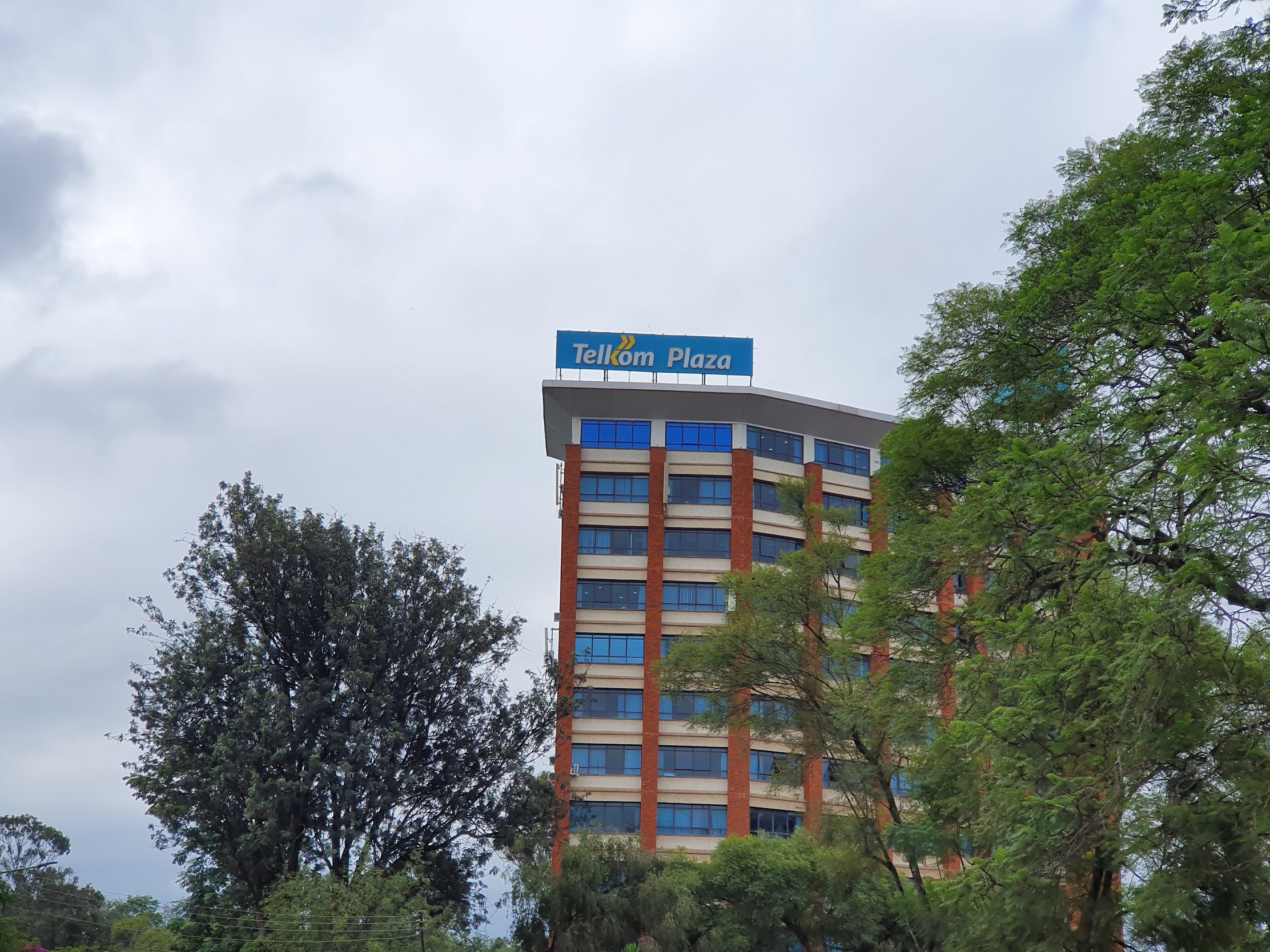
In October 2025, the Independent Communications Authority of South Africa (ICASA), the country’s telecom regulator, mandated Telkom to provide free WiFi at city centres, such as Thusong, a peri-urban area, or risk paying up to R1 million ($57,500) in fines.
The regulator instructed the telecom firm to provide those networks, in accordance with the Universal Service and Access Obligations (USAOs), a licence condition that requires operators to extend connectivity beyond profitable areas. Poor connectivity in these centres means public institutions located there struggle with unreliable networks, creating bottlenecks in delivering essential public services.
State of play: Telkom is opting to connect city centres in South Africa rather than meet outdated licence conditions that obligate it to provide services, such as public pay phones and directory services. The firm is likely on track to mount the first batch of the public WiFi networks by April 2026, the timeline given by ICASA.
Is this business or saving skin? Both. On the surface, this is regulatory housekeeping. Telkom is avoiding fines and replacing legacy requirements with something future-facing. The WiFi hotspots must be free, capped (300MB daily), and maintained at Telkom’s cost, so direct profit is unlikely.
But strategically, it aligns with Telkom’s data-first pivot. In December 2025, Telkom crossed 25 million subscribers, drawing it closer to competitors MTN and Vodacom, the top two telecom providers in South Africa, with subscribers of 39.8 million and 39 million, respectively. Telkom’s mobile data users now make up 76.5% of its subscriber base, and data traffic jumped 20.4% year-on-year.
Like most telecom firms, Telkom prioritises dense urban corridors where average revenue per user (ARPU) is stronger. Rural or peri-urban centres typically deliver thinner margins. While free public WiFi won’t move revenue immediately, it deepens its footprint, supports brand equity, and strengthens regulatory goodwill as rivals like MTN and Vodacom focus on commercial network expansion.
The Smarter Way to Save

Earn up to 20% interest on your savings with PalmPay. Join over 40 million users building smarter saving habits with simple, automated tools designed for everyday life. Learn more.
Tech
Kenyan airport workers begin strike action
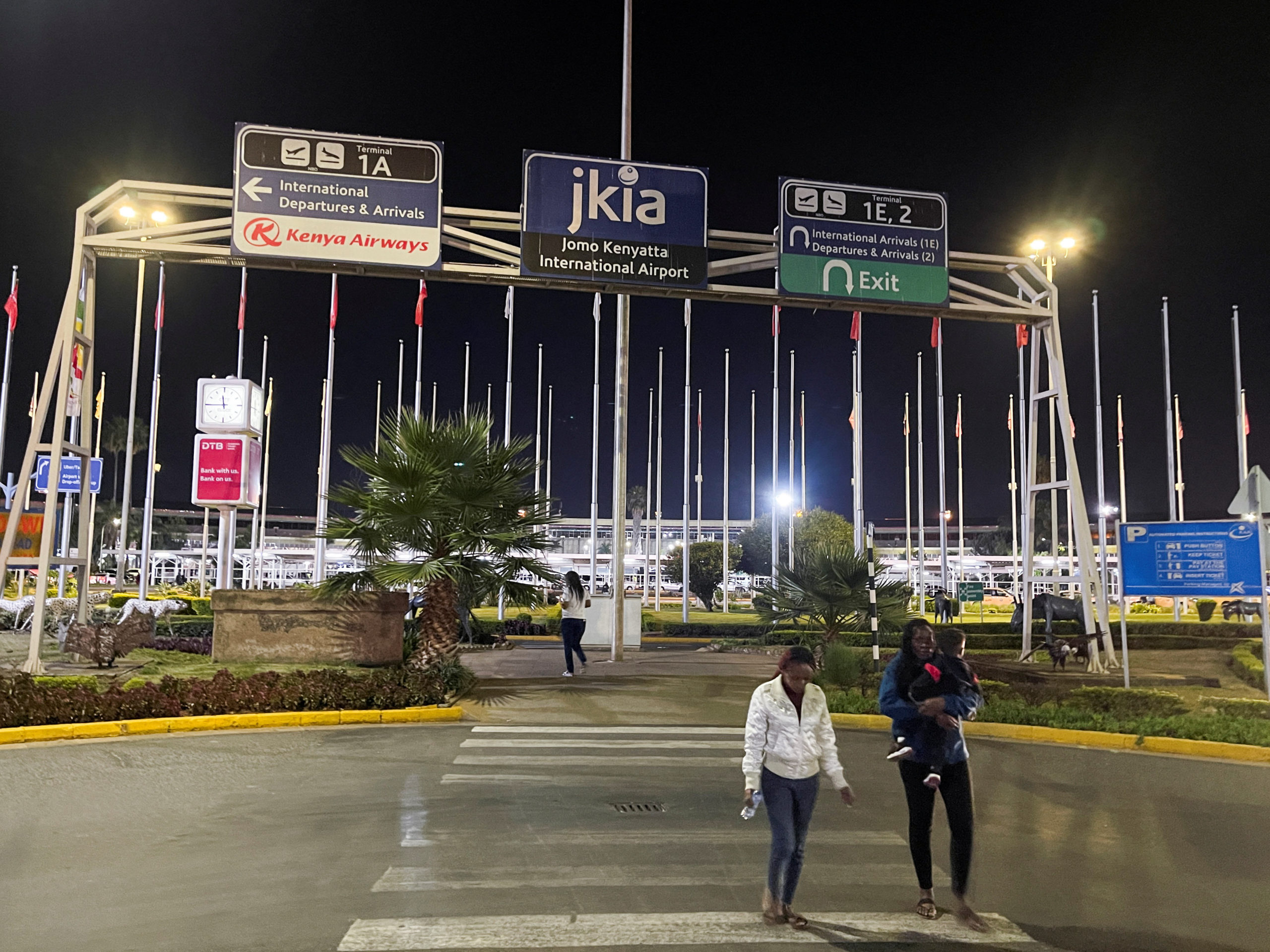
On Monday morning, one of Kenya’s busiest airports slowed to a crawl. Workers at the state-owned Jomo Kenyatta International Airport (JKIA) stopped work after the Kenya Aviation Workers Union (KAWU) called a strike over what it says is a stalled implementation of a signed collective bargaining agreement.
Wait, didn’t a court say don’t strike? The Kenya Civil Aviation Authority (KCAA), the country’s airspace regulator, went to court to stop the strike first announced a week earlier, and a labour judge suspended it pending further directions. But workers proceeded anyway. Striking despite a court order signals that the union believes negotiations have broken down so badly that compliance can wait, and also opens the door to tougher state intervention.
Why are they on strike? KAWU says KCAA has delayed salary negotiations, failed to remit union dues, and dragged its feet on long-standing grievances. Now, the workers are demanding better working conditions, as well as improved pay and benefits.
What’s actually at stake? JKIA handled 8.6 million passengers in 2025 and is East Africa’s gateway for tech and horticulture imports and exports, as well as a pathway for investors. Kenya imported $1.1 billion in electronics last year, much of it flying through Nairobi. When this mode of transportation stalls continuously, supply chains begin to wobble.
Will this force a deal? Strikes are usually a leverage, but striking against a court order could either pressure authorities to move faster on the agreement, or it could harden positions.
Discover providers and manage logistics in one secure platform.

The Logistics Marketplace connects health buyers – governments, partners, humanitarian organizations & manufacturers with logistics providers across Africa. Backed by Global Fund & Gates Foundation Join for free today.
Fintech
Kenya received over $5 billion in remittances in 2025, a new high

Kenyans are receiving more remittance inflows. According to the Central Bank of Kenya (CBK), remittance inflows hit a new record in 2025.
Guess who’s eating good? If you are a remittance fintech founder in Kenya, you should probably start paying your tithes.
In 2025, diaspora inflows hit a record KES 649.7 billion ($5.04 billion), covering nearly 40% of Kenya’s goods trade deficit. January 2026 saw a 3.8% drop to KES 53.1 billion ($411.3 million), but the overall trend remains strong. Remittances have grown beyond family support; they now act as macroeconomic infrastructure, helping to steady foreign reserves, support the shilling, and provide non-debt external financing.
For Kenyan families, startups, and institutions that receive remittances, North America (US) remains the largest source; the UK has overtaken Saudi Arabia as the second-largest corridor. Inflows from Gulf countries are slowing. The shift matters because each corridor relies on different channels: traditional banks, money transfer operators, mobile money platforms, and increasingly, digital currencies.
A new crop of startups is exploring stablecoins, such as USD Coin (USDC), to move diaspora dollars faster and cheaper into Kenyan wallets. For senders, crypto rails reduce fees and foreign exchange losses. For recipients, holding digital dollars before converting to shillings offers a hedge in a volatile currency environment.
With remittance inflows increasing in Kenya, many players will find reasons to own the pipes that power how cross-border money moves.
Get the Nimbus Aid Foundation’s 2025 Impact Report
Nimbus Aid Foundation’s 2025 Impact Report shows how ₦50M in DOOH advertising transformed 33 women-led businesses, driving 65% traffic growth and moving beneficiaries from pre-revenue to post-revenue. Download here.
CRYPTO TRACKER
The World Wide Web3
Source:

|
Coin Name |
Current Value |
Day |
Month |
|---|---|---|---|
 Bitcoin Bitcoin |
$67,979 |
– 0.54% |
– 28.94% |
| Ether |
$1,971 |
– 4.93% |
– 40.07% |
| Rocket Pool |
$2.72 |
+ 59.61% |
+ 21.30% |
| Solana |
$85.72 |
+ 0.96% |
+ 1.24% |
* Data as of 06.40 AM WAT, February 17, 2026.
JOB OPENINGS
- Big Cabal Media — Associate Videographer/Video Editor (full-time); Senior Financial Analyst (full-time); Zikoko Citizen Reporter (full-time); Content Creator (contract); Journalist (contract); Project Associate (contract); Senior Editor (contract); Senior Writer; Business Development Executive — Lagos, Nigeria
- Miden — Junior Brand Designer — Lagos, Nigeria
- Buffer — Senior Engineer, Growth Marketing — Remote
- Moniepoint — Several roles — Remote (Nigeria)
- Palmpay— Senior Graphics Designer — Lagos, Nigeria
- Wave — Machine Learning Scientist — Nairobi, Kenya
- Pavago — Customer Success Manager — Remote (Kenya)
There are more jobs on TechCabal’s job board. If you have job opportunities to share, please submit them at bit.ly/tcxjobs.

Written by: Opeyemi Kareem and Emmanuel Nwosu
Edited by: Emmanuel Nwosu & Ganiu Oloruntade
Want more of TechCabal?
Sign up for our insightful newsletters on the business and economy of tech in Africa.
- The Next Wave: futuristic analysis of the business of tech in Africa.
- Francophone Weekly by TechCabal: insider insights and analysis of Francophone’s tech ecosystem
P:S If you’re often missing TC Daily in your inbox, check your Promotions folder and move any edition of TC Daily from “Promotions” to your “Main” or “Primary” folder and TC Daily will always come to you.

Comments
Post a Comment