

TGIF.
Yesterday at Sui Live in Miami, I couldn’t help but notice two things driving the majority of conversations: the need for crypto to play a more prominent role in everyday payments—a few projects on the network launched Sui-backed cards. I wrote about Africa’s ‘pay the milkman’ ambition earlier.
There were also debates about agentic AI applications in the blockchain space. And, of course, the long-awaited CLARITY Act and bold predictions on when it’ll pass. Okay, make that three things.
If you shake a tree now, any tree, a crypto project offering cards will likely fall out. In 2015, this would have been original.
—Emmanuel
Get smarter about Francophone Africa—the startups, tech policies, and institutions building the pipelines for ecosystem growth.


features
Quick Fire  with Sarah Wahinya

Sarah Wahinya is a Web3 and fintech growth strategist and East Africa Lead for Stellar, a US-based blockchain firm, building the rails for Africa’s next wave of digital finance. She operates at the intersection of partnerships, market expansion, and developer ecosystems, helping global companies localise and scale across African markets.
- Explain your job to a 5-year-old.
You know how you have a piggy bank? Now imagine the piggy bank lives inside a phone, and it can talk to other piggy banks all over the world, even ones in places you’ve never been.
My job is to help grown-ups understand these new piggy banks, pick the good ones, and not be scared of them. Some days I’m a teacher. Some days I’m a storyteller. Some days, I’m the person reminding everyone that girls also want to play.
The grown-ups are still building the playground. I help them build it better.
- What does a typical day look like for you as a Web3 and fintech growth strategist?
It starts before coffee, usually with a market scan and a quick scroll through Discord, Telegram, and X to see what the community woke up to and what broke overnight.
From there, my day splits into three parts: building (campaigns, partnerships, growth experiments), talking (calls with founders, mentees, investors, and the occasional regulator), and writing (threads, decks, frameworks).
Somewhere in there, I’m answering DMs from women trying to break into Web3, drafting a launch plan, and explaining to my mum again what stablecoins are. No two days look the same. That’s half the appeal and half the chaos.
- If your role came with a warning label, what would it say?
 Caution: May cause irreversible vocabulary changes, an emotional attachment to charts, and the inability to attend dinner without checking your phone.
- If you weren’t doing Web3 and fintech, what would you be doing instead?
Probably storytelling, in some form.


3i Africa Summit 2026
Doing business in African markets? Fincra’s financial infrastructure gives your business reliable payment rails across 20+ markets. Start here.
telecoms
IHS Towers sells 51% stake in I-Systems, exits Brazil’s fibre sector
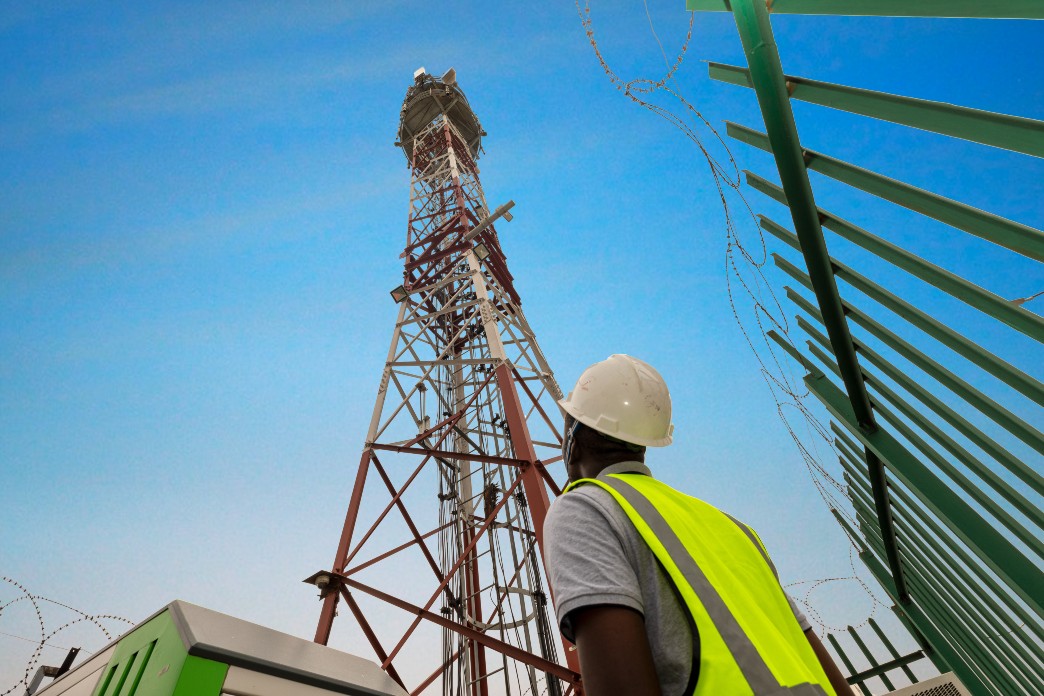
Following its pending MTN takeover, IHS Towers, one of Africa’s major operators of shared communications infrastructure, such as cell towers, has exited Brazil’s fibre sector. It now sets a plan in motion for IHS’s planned Latin American (LATAM) divestiture.
On Thursday, the Sam Darwish-founded tower company—which set up shop in 2001 after Nigeria privatised its telecoms sector—entered the Brazilian market six years ago. In 2020, IHS first acquired São Paulo-based infrastructure provider Cell Site Solutions, before expanding its presence in the country.
The following year, it bought smaller cell tower operators in Brazil, including Skysites Holdings and Centennial Towers, before acquiring a 51% stake in FibreCo, a fibre infrastructure firm now known as I-Systems, from TIM Brazil, a telecoms firm. In February 2026, the African tower operator said it had agreed a deal with TIM to sell back the 51% stake for $452.6 million. Three months later, it has finally sold those assets.
While IHS Towers has sold its fibre business in Brazil, it still runs a tower business in the country—and even that is on borrowed time. In February, IHS agreed to sell its subsidiaries, IHS Brazil and IHS Colombia, to private equity firm Macquarie Asset Management for $952 million. The two subsidiaries control about 8,8602 tower sites. Once the transaction closes, IHS will have exited completely from the LATAM market.
Why is IHS leaving LATAM? IHS’s divestment strategy aims to focus on larger, high-growth African markets where scale provides stronger operational leverage and profitability. Beyond Latin America, the company has exited Kuwait and sold operations in Rwanda and Peru, leaving it present in only seven markets today: Brazil (pending sale completion), Cameroon, Colombia (pending sale completion), Côte d’Ivoire, Nigeria, South Africa, and Zambia. The money from selling these assets helped IHS lower its debt-to-earnings (DTE) ratio to 3.1x by the end of 2025, down from 3.7x the previous year.
Zoom out: Over the years, IHS has shifted from aggressive expansion to focusing on fewer, more profitable regions where it already dominates—slashing new tower spending by over 15% in H1 2025. IHS stock was trading at $8.23 on the New York Stock Exchange (NYSE), rising 0.3% after Thursday’s market close.
PalmPay – Built for Ambition. Built for You.
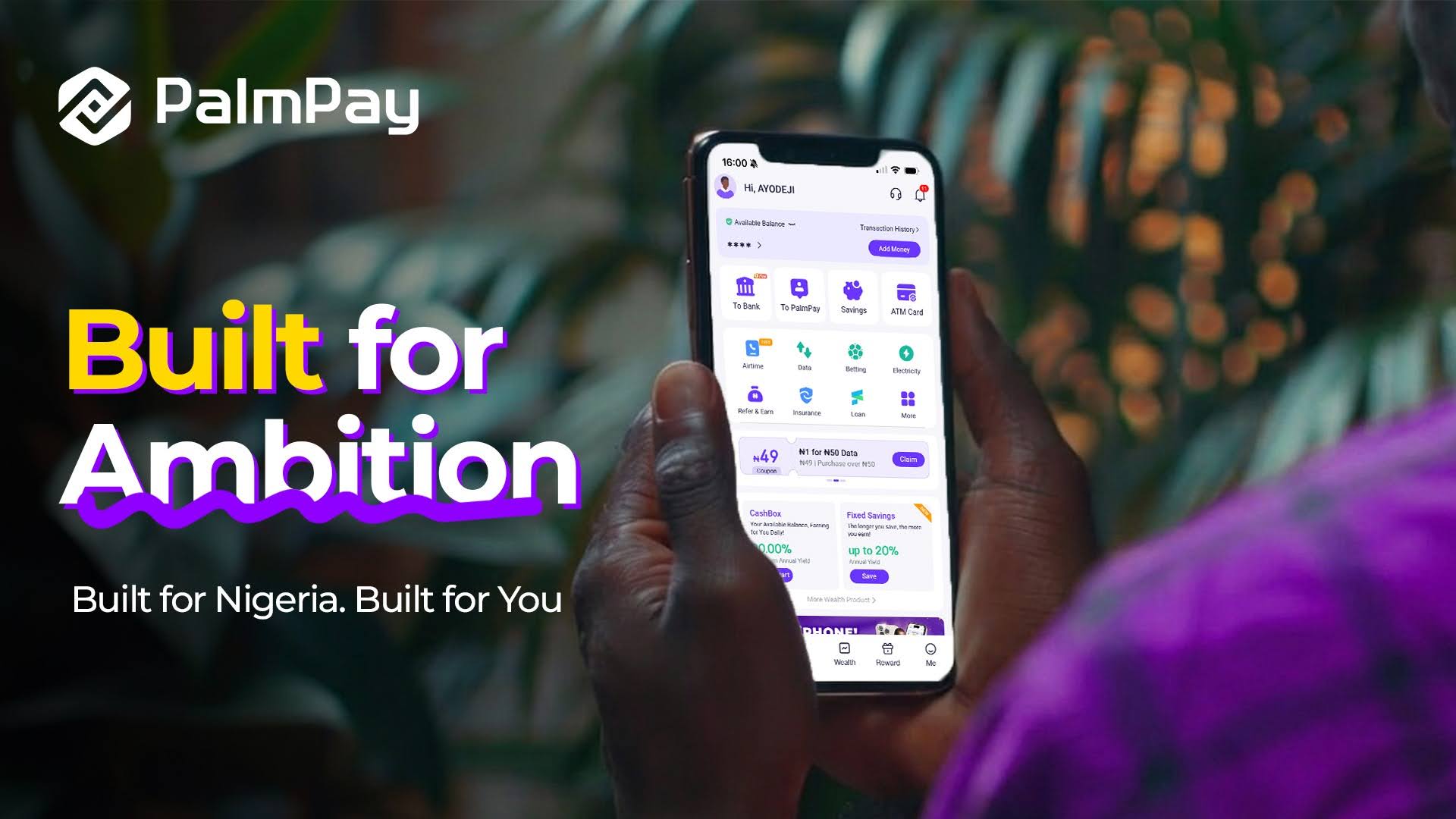
PalmPay is Built for Ambition. Built for Nigeria. Built for You. With over 35 million users and a 99.9% transaction success rate, PalmPay is making digital banking safer, simpler, and more reliable for everyday Nigerians. Download the app to learn more.
companies
More Kenyans on Safaricom’s network are spending time online than making calls
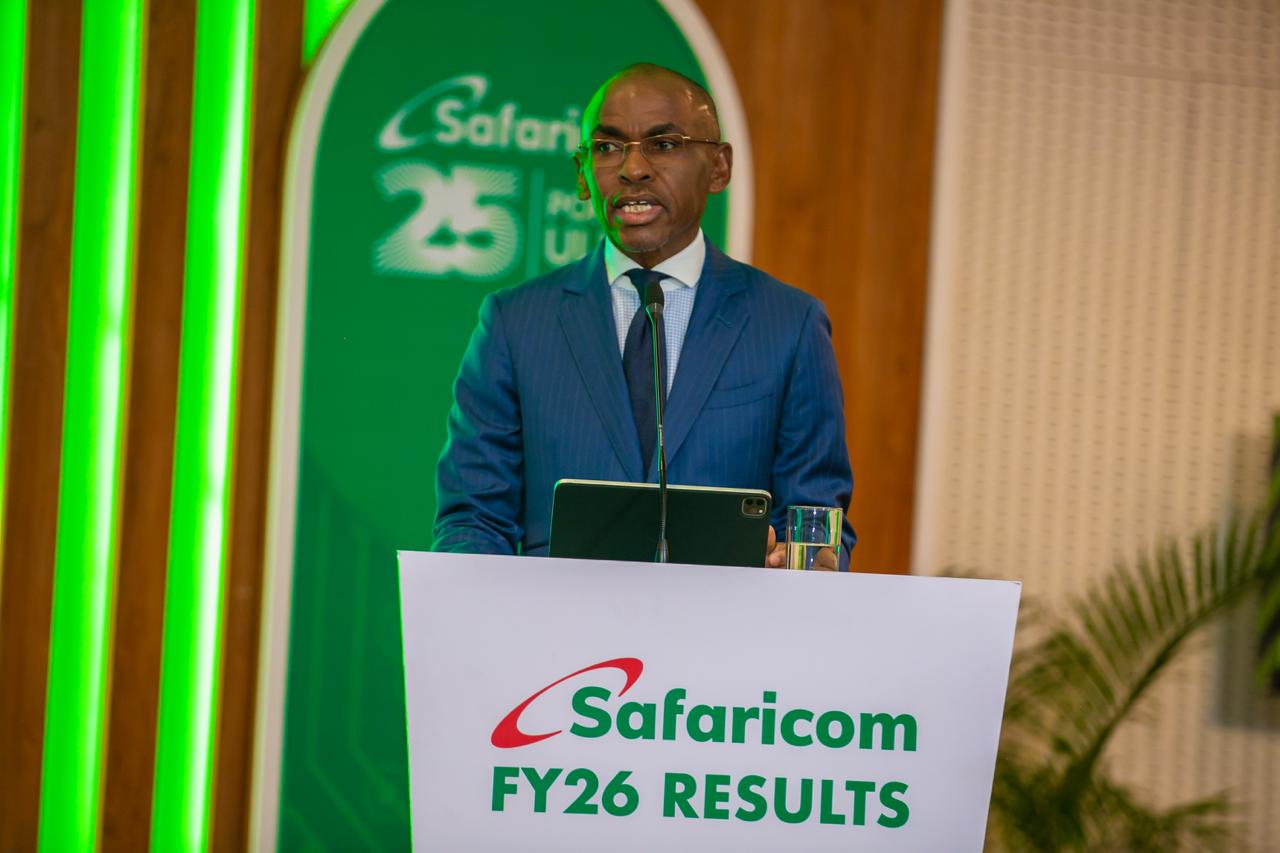
Safaricom just crossed a line every African telecom operator saw coming, but few have reached this clearly: Internet data is now bigger than phone calls.
For the year ended March 2026, mobile data overtook voice as Safaricom’s largest connectivity business, contributing 42.1% of connectivity revenue versus voice’s 41.3%. Data revenue rose 14.4% to KES 83.4 billion ($646 million), while voice grew only 1.3% to KES 81.8 billion ($634 million). SMS revenue fell 11.8% as Kenyans continued abandoning text messages for WhatsApp and Telegram.
This shift has been building for years. Kenyans are streaming football on buses, running businesses from TikTok and Instagram, sending voice notes instead of making calls, and spending more time online than on traditional telecom services. Safaricom’s network now carries that behaviour at scale: customers using more than 1GB monthly rose 22.4% to 14.5 million users, while average monthly consumption climbed to 4.92GB.
The bigger story is pricing. Safaricom cut its average rate per megabyte by 12.1% to compete with other Internet service providers (ISPs), yet usage grew fast enough to offset the cheaper prices. African telcos have spent years worrying that lower data prices would hurt margins. Instead, Safaricom is proving that affordability expands the market.
Smartphone penetration is helping. Devices connected to Safaricom’s network grew 21.2% to 33.2 million, while active 5G devices jumped 55.5% to 1.64 million. Cheap Android phones are now doing for Internet adoption what dual-SIM phones once did for voice competition.
Meanwhile, Ethiopia is becoming less of a financial headache. Safaricom halved losses there to KES21.2 billion ($164 million), while growing subscribers to 13.6 million and expanding coverage to 60% of the population. M-PESA has now launched in the market, giving Safaricom its strongest monetisation tool yet.
Safaricom’s strong results, where it posted a67% jump in net profit to KES 99.7 billion ($771.9 million) and will pay KES 2 ($0.015) per share in dividends, are seeing benefits in prioritising services for data demand.
Moonshot is back!

Moonshot 2026 is coming! Join us at the National Theatre, Lagos on October 28 & 29 for two days of tech and innovation. Grab your early bird tickets now and get 15% off.
TECHCABAL 4.0
TC Insiders are reading something you’re not. Gated exclusives and deeper analysis—available only to Insiders. Free to join.
Insights
Funding Tracker
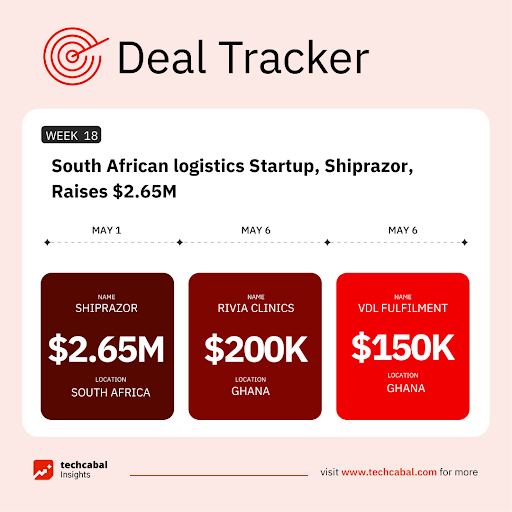
Shiprazor, a South African logistics startup, raised $2.65 million in a seed funding round led by Norrsken22, with participation from AAIC, E4E, Tremis Capital, and angel investors, including senior leaders at Google. (May 1)
Here are the other deals for the week:
- Rivia Clinics, a Ghanaian healthtech startup, raised $200,000 in funding from Village Capital. (May 6)
- VDL Fulfilment, a Ghanaian logistics startup, raised $150,000 in funding from Village Capital. (May 6)
Follow us on Twitter, Instagram, and LinkedIn for more funding announcements. Before you go, get behind the scenes and explore the data that makes Moonshot the standout tech event in Africa. Download the Moonshot Impact Report here.
Naira Life 2026 is here!

Join 2,000+ in Lagos on August 22 for unfiltered wealth strategies, investment clinics, pitch competitions, and real talk about building long-term financial power. Get 15% off early bird tickets.
CRYPTO TRACKER
The World Wide Web3
Source:

|
Coin Name |
Current Value |
Day |
Month |
|---|---|---|---|
 Bitcoin Bitcoin |
$79,664 |
– 1.68% |
+ 11.05% |
| Ether |
$2,281 |
– 2.09% |
+ 1.71% |
| XRP |
$1.38 |
– 1.90% |
+ 0.15% |
| Solana |
$88.30 |
– 0.34% |
+ 4.33% |
* Data as of 06.35 AM WAT, May 8, 2026.
JOB OPENINGS
- Big Cabal Media — Senior Motion Designer, YouTube Growth Strategist, Editor-in-Chief (TechCabal), Reporter, Enterprise & Policy, Editor (Analytical), Business Development Executive — Lagos, Nigeria
- Moniepoint —Backend Engineer (Women in Tech Internship) — Lagos, Nigeria
- Airvend — B2B Technical Support — Lagos, Nigeria
- Bridgemax Technologies — Cloud Administrator — Lagos, Nigeria
- Union Systems — Software Technical Writer — Lagos, Nigeria
There are more jobs on TechCabal’s job board. If you have job opportunities to share, please submit them at bit.ly/tcxjobs.

Written by: Zia Yusuf, Opeyemi Kareem and Emmanuel Nwosu
Edited by: Emmanuel Nwosu and Ganiu Oloruntade
Want more of TechCabal?
Sign up for our insightful newsletters on the business and economy of tech in Africa.
- The Next Wave: futuristic analysis of the business of tech in Africa.
- Francophone Weekly by TechCabal: insider insights and analysis of Francophone’s tech ecosystem
P:S If you’re often missing TC Daily in your inbox, check your Promotions folder and move any edition of TC Daily from “Promotions” to your “Main” or “Primary” folder and TC Daily will always come to you.

Comments
Post a Comment