
Howdy.
Today on Francophone Weekly, we’re spotlighting JoonaPay, a fintech startup building a single platform for payments, treasury, and reconciliation across Francophone West Africa, where businesses still juggle multiple apps.
Subscribe here to get this edition in your inbox—stay informed about Francophone Africa’s tech ecosystems, what problems are worth solving, and what promising startups are building.
In other news, early bird tickets for Moonshot 2026, happening at the National Theatre, Lagos, on October 28 & 29, are now selling. Get yours at 15% off.


M&A
Nedbank issues tender offer for NCBA investors, sets July 10 deadline
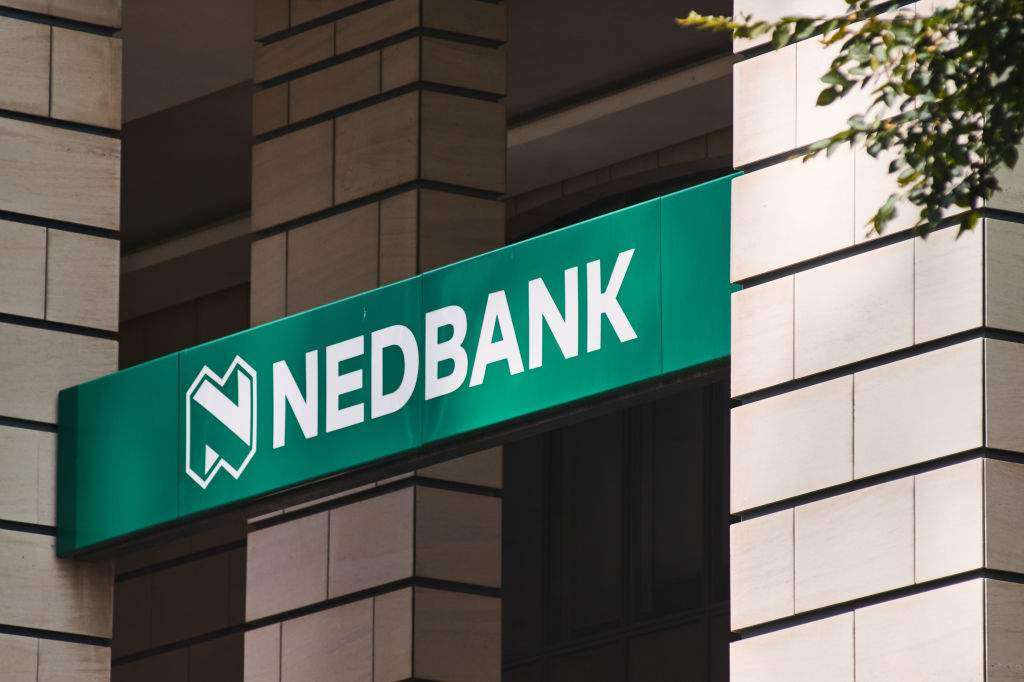
Remember the Nedbank-NCBA deal that merged the borders of South Africa and Kenya in February? It’s no longer just a proposal.
As part of the transaction, shareholders of the acquired Kenyan bank, NCBA, will receive Nedbank stock listed on the Johannesburg Stock Exchange (JSE) alongside cash payment.
On May 28, Nedbank’s tender offer for a 66% controlling stake in NCBA Group opens, giving institutional investors a July 10 deadline to decide whether to sell into the deal.
Here’s how the offer works: Shareholders who accept will get 80% of their payout in Nedbank shares listed on the JSE and 20% in cash, at a valuation of KES 105 ($0.81) per NCBA share.
Shareholders legally barred from holding offshore securities under Kenyan law will receive their entire consideration in cash instead. NCBA’s board has recommended the deal. Results are expected by July 21.
State of play: Nedbank’s acquisition of NCBA is a textbook expansion play for a bank that doesn’t want to go through the hassle of setting up a local subsidiary in Kenya. NCBA’s heavy digital banking operations also make it an attractive prospect for a lender like Nedbank that values similar play.
Nedbank CEO Jason Quinn has said the plan is to use NCBA’s network as a springboard into Ethiopia and the DRC, two large but relatively untapped banking markets on the continent.


3i Africa Summit 2026

Doing business in African markets? Fincra’s financial infrastructure gives your business reliable payment rails across 20+ markets. Start here.
Streaming
South Africa drags MultiChoice and Altech to court over a 2014 deal
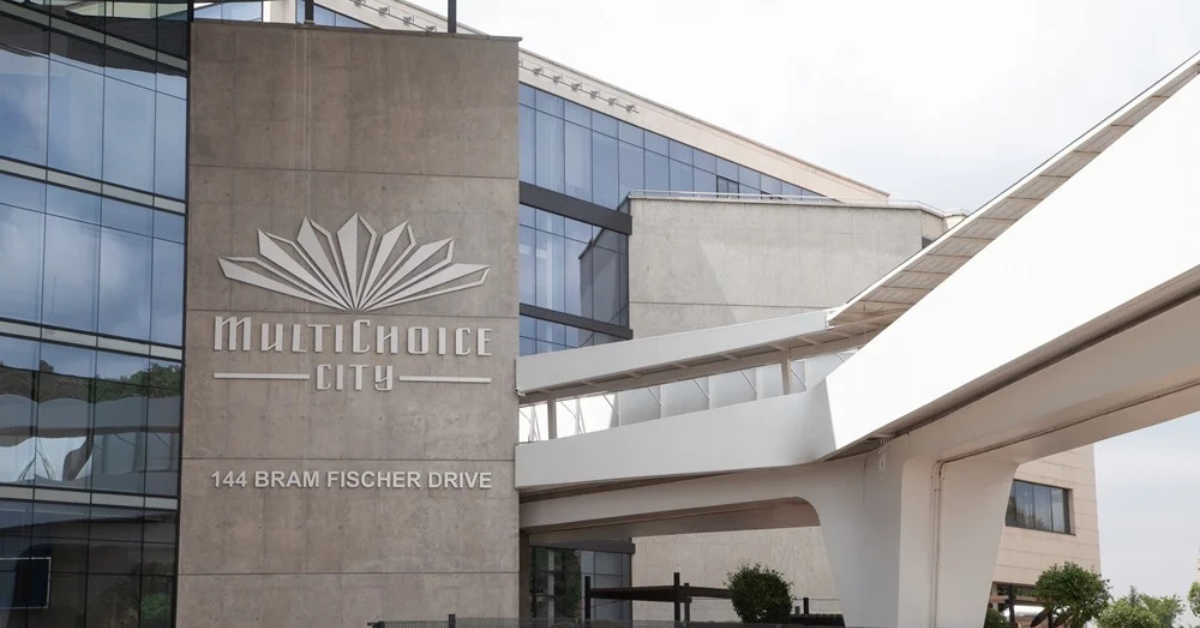
South Africa’s Competition Commission, the country’s anti-trust regulator, has summoned MultiChoice, Africa’s largest pay-TV operator, and Allied Technologies Limited (Altech), the Durban-based decoder manufacturer, to court over a breach in market fair play rules.
The anti-trust regulator has referred both companies to the Competition Tribunal over an alleged market-division agreement dating back to February 2014.
In 2014, MultiChoice and Altech allegedly signed a deal, agreeing not to compete in the pay-TV market. However, a few months later, Altech launched Node, a satellite-connected device that blended video-on-demand (VOD), voice communication over the Internet, and smart home features.
At the time, Node seemed like a product that could evolve into a real competitor to traditional pay-TV, MultiChoice’s dominant market. But shortly after, Altech shut down the product in 2015, citing failure to gain traction.
The grey area: For the 12 months ending February 2015, Node generated only R19 million ($1.1 million) in revenue while posting a negative earnings before interest, tax, depreciation, and amortisation (EBITDA) of R114 million ($6.8 million), supporting Altech’s claim of low traction.
But from the regulator’s perspective, a loss-making product being shut down by a company whose biggest customer dominates the exact market that product was entering is worth scrutinising.
Why is the deal a problem? Market-division agreements are one of the clearest violations of competition law. If one company agrees not to enter a market, consumers lose the chance of better pricing, new products, or alternatives.
In this case, if the allegations hold, it would suggest that a potential challenger stayed out of the pay-TV space, leaving MultiChoice with less pressure to compete. If proven, both companies could face penalties of up to 10% of their annual turnover.
PalmPay – Built for Ambition. Built for You.
PalmPay is Built for Ambition. Built for Nigeria. Built for You. With over 35 million users and a 99.9% transaction success rate, PalmPay is making digital banking safer, simpler, and more reliable for everyday Nigerians. Download the app to learn more.
Fintech
Egypt’s GlobalCorp may be eyeing a second exit in 5 years
Egypt-based financial services company, GlobalCorp, is preparing for a potential full or majority sale, with anchor investors looking to exit in a private transaction that could close within the next two to four months. This is a private placement, meaning new investors will buy out existing ones behind the scenes, possibly taking up to 100% ownership.
The company is reportedly opening its books to interested bidders. It has kicked off due diligence on bidders, with a local publication reporting that the deal could be valued at $200 million. GlobalCorp’s interest is already strong, with a mix of strategic and financial investors circling the deal, according to local publication EnterpriseAM.
The business behind the deal: Launched in 2015, GlobalCorp offers non-banking financial services including direct and operating leases, consumer finance, and structured solutions for commercial, retail, industrial, real estate, and equipment sectors. It essentially helps businesses access working capital and individuals access credit outside traditional banking rails.
It was sold once, now it’s being sold again: This exit will be GlobalCorp’s second within five years. In 2022, a group including SPE Capital, Amethis, and the European Bank for Reconstruction and Development acquired a majority stake, valuing the company at around EGP 914 million ($17 million). This current sale is the next handover in that cycle.
Non-bank financial players like GlobalCorp grow by deploying capital at scale, which means they constantly need fresh funding to expand. That naturally creates an ownership cycle where investors come in, grow the balance sheet, and exit once the company reaches a new level of maturity.
GlobalCorp also sells its receivables and debt as bonds to investors (factoring), enabling it to raise immediate cash to improve working capital. On Monday, it closed its latest EGP 1 billion ($18.6 million) short-term bond issuance.
How the sale works: The company will open a secure virtual data room this week, uploading financial statements and internal reports for interested buyers to review, alongside process letters laying out the next steps.
If this sale lands anywhere near the reported $200 million mark, GlobalCorp has significantly increased in value since 2022.
TECHCABAL 4.0
TC Insiders are reading something you’re not. Gated exclusives and deeper analysis—available only to Insiders. Free to join.
Policy
Egypt wants to manufacture 15 million smartphones in 2026
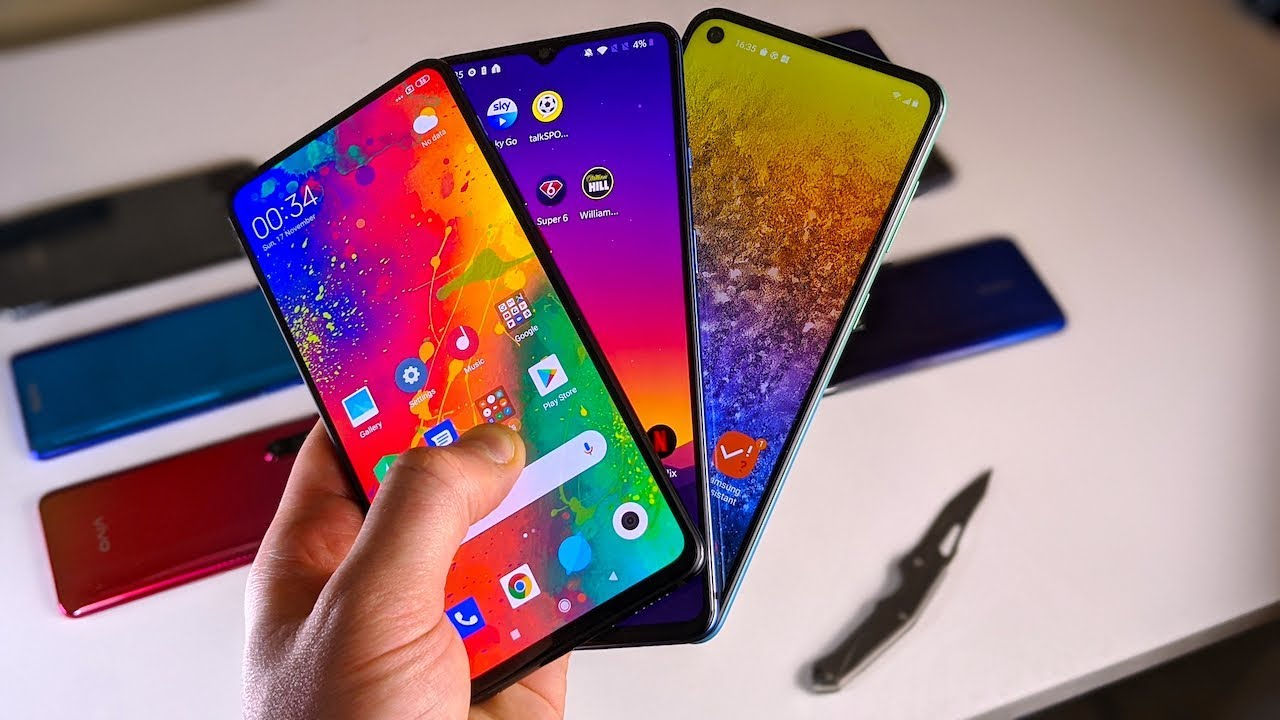
In 2023, Egypt was assembling roughly 3 million mobile phones a year. By 2025, that number hit 10 million. Much of Egypt’s smartphone exports came from homegrown players, such as SICO, and foreign manufacturers—including Samsung, Oppo, Xiaomi, Vivo, and Nokia—that assemble locally and export those devices to Morocco, Tunisia, and South Korea.
Now, Egypt wants to take its manufacturing ambition up a notch.
On Monday, the country’s Minister of Communications, Raafat Hindi, said it is on track to produce 15 million smartphones by the end of 2026, about 50% more than it did last year. And going by how manufacturers are building capacities for export, Egypt could achieve that goal.
Samsung’s Beni Suef complex, the company’s first factory in the Middle East and Africa, with $700 million invested and a current capacity of 6 million phones annually, already exports abroad. Other smartphone makers, including Oppo, Xiaomi, Vivo, Nokia, and Infinix, all have production lines in Egypt that could increase the country’s output of locally assembled devices.
Between the lines: Egypt has long pushed for local manufacturing of original equipment, including smartphones and cars. Since 2015, the country has offered several incentives for foreign manufacturers to build local factories, including tax breaks, infrastructure support, and customs exemptions for importing parts.
This has stimulated manufacturing, with several players now having an entrenched presence in Egypt. Economically, the country’s push has also directly created jobs, including 5,000 roles at Samsung’s Beni Suef complex alone.
Yet, local assembly does not fully equate local manufacturing. The chips, screens, and core components for devices still come from Asia. The next logical step for Egypt’s global trade ambition is to incentivise deeper component manufacturing, attracting suppliers of chips, displays, and batteries to set up locally, so that “Made in Egypt” means more than final assembly.
CRYPTO TRACKER
The World Wide Web3
Source:

|
Coin Name |
Current Value |
Day |
Month |
|---|---|---|---|
 Bitcoin Bitcoin |
$79,907 |
+ 2.24% |
+ 19.42% |
| Ether |
$2,372 |
+ 3.06% |
+ 15.53% |
| XRP |
$1.41 |
+ 1.90% |
+ 7.06% |
| Solana |
$85.35 |
+ 1.86% |
+ 6.33% |
* Data as of 06.50 AM WAT, May 5, 2026.
JOB OPENINGS
- LemFi — Head of Compliance — Lagos, Nigeria
- Big Cabal Media — Senior Motion Designer, YouTube Growth Strategist, Quality Assurance Engineer, Editor-in-Chief (TechCabal) — Lagos, Nigeria
- Moniepoint —Backend Engineer (Women in Tech Internship) — Lagos, Nigeria
- Airvend — B2B Technical Support — Lagos, Nigeria
- Bridgemax Technologies — Cloud Administrator — Lagos, Nigeria
- Union Systems — Software Technical Writer — Lagos, Nigeria
There are more jobs on TechCabal’s job board. If you have job opportunities to share, please submit them at bit.ly/tcxjobs.

Written by: Opeyemi Kareem and Zia Yusuf
Edited by: Emmanuel Nwosu and Ganiu Oloruntade
Want more of TechCabal?
Sign up for our insightful newsletters on the business and economy of tech in Africa.
- The Next Wave: futuristic analysis of the business of tech in Africa.
- Francophone Weekly by TechCabal: insider insights and analysis of Francophone’s tech ecosystem
P:S If you’re often missing TC Daily in your inbox, check your Promotions folder and move any edition of TC Daily from “Promotions” to your “Main” or “Primary” folder and TC Daily will always come to you.

Comments
Post a Comment