
Good morning.
ICYMI, Moonshot 2026 is here: A new venue, bolder conversations. 
Africa’s flagship tech conference is back! On October 28–29, Moonshot by TechCabal returns to Lagos, moving to the iconic National Theatre. This year, join over 7,000 founders, investors, and policymakers for two days of deal-making, masterclasses on profitability, and deep dives into AI, fintech, and climate-tech.
The ecosystem is gathering to define what’s next—will you be there?
Early bird tickets are now on sale.  Save 15% before prices go up.


Fintech
OPay eyes $4 billion US IPO
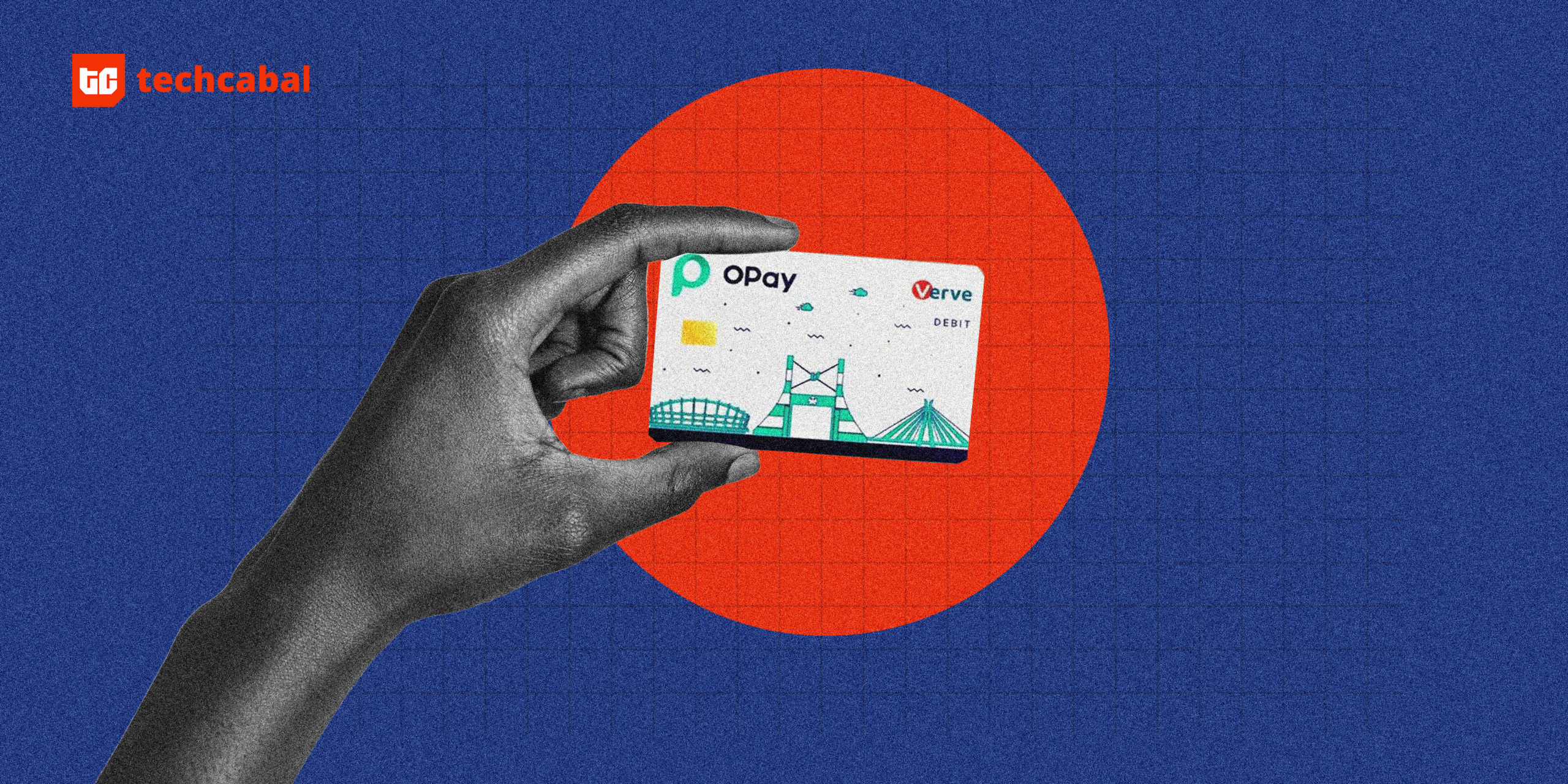
On Friday, Bloomberg reported that OPay was gearing up for a potential initial public offering (IPO) in the United States later this year, targeting a valuation of about $4 billion. America’s Citigroup Inc., Germany’s Deutsche Bank AG, and JPMorgan Chase & Co., the world’s largest bank, are executing this listing.
An OPay listing would make it one of the few venture-backed, Nigeria-focused tech companies to go public in the US, following Jumia, whose share price has fallen from a peak of $49 to around $8, and Swvl, which was at risk of being delisted.
OPay will be keen to avoid a similar fate. In December 2025, it hired James Perry as chief finance officer (CFO), who brings 25 years of experience, including 22 years as a manager in Citibank’s investment banking division.
A $4 billion valuation would extend OPay’s upward trajectory. The company was valued at $2 billion in its August 2021 Series C funding round. By 2025, Opera Limited—an early OPay investor—valued its 9.5% stake in the fintech company at $294.6 million in its regulatory filing, implying a total OPay valuation of approximately $3.1 billion.
Operating in Nigerian fintech also works in OPay’s favour. The sector has delivered meaningful liquidity to investors—Paystack and Moniepoint have both returned cash—and global consulting firm McKinsey projects African fintech revenue to reach $47 billion by 2028.
But public investors will weigh the counterweights. The naira has lost 70% of its value since 2023. Even with the currency now stabilising, naira revenue growing 50% year-on-year could still translate to flat or declining dollar-reported revenue. OPay also faces sustained competition from Moniepoint, Kuda, Paga, and PalmPay for both merchants and customers.


20+ Markets. One API.

Fincra connects your business to Africa’s payment rails without building market by market. For collection, payout, FX, and settlement through a single integration. See what this means for your business.
Banking
Standard Chartered Kenya reduced staff headcount to 942 in 2025
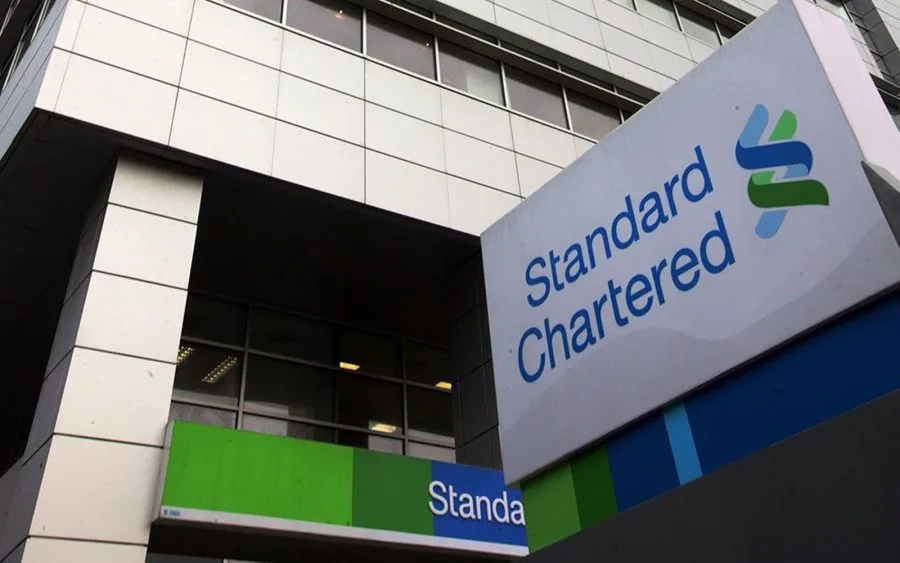
At the end of 2025, Standard Chartered (StanChart) Bank Kenya, the country’s ninth-largest bank, had a staff count of 942, about 5.9% down from the previous year. According to its reports, this was the 11th consecutive year the bank had reduced staff, from over 2,000 in 2014 to just 942 by the end of 2025.
State of play: StanChart Kenya, despite having 22 branches and over 100 automated teller machines (ATMs) across the country, has continued to prioritise its wealth banking operations. According to its 2025 report, the lender is shifting its strategy to “Wealth & Retail Banking pivot to Affluent” and says it wants to implement initiatives to simplify, standardise, and digitise its processes to unlock capacity for growth.
As part of this plan, it will deepen engagement with Kenya’s high-net-worth (HNW) individuals. Serving affluent customers requires less reliance on larger teams; the bank has been strategically reducing headcount for years.
StanChart, which has recently divested banking assets in Uganda and Tanzania, said the latest reductions were due to its “affluent banking” pivot and claimed it had ensured the changes were handled “transparently, sensitively, and in accordance with policy and regulatory requirements.”
Between the lines: Despite the headcount reduction, StanChart Kenya paid more in salaries and wages compared to the previous year. In 2025, it paid KES 6.43 billion ($49.8 million) in salaries, more than the KES 6.12 billion ($47.4 million) it paid on a larger headcount the previous year. This could mean the bank is still offsetting benefits or statutory payments to affected employees in previous years.
Redundancy costs were KES 112.3 million ($870,000) in 2025, compared to KES 580.1 million ($4.5 million) in 2024, indicating that the bank still maintained redundant roles last year, even though the figure steeply declined.
In 2025, about 16 unionisable positions—typically occupied by junior and support staff—were affected, while a few management-level employees were also made redundant.
Profitable but cautious: While StanChart Kenya recorded KES 12.4 billion ($96 million) in profit after tax for 2025, that figure actually declined from KES 20.6 billion ($159.5 million) the previous year. Now, the bank wants fewer operational staff and is leaning on a few specialised roles that align with its new direction.
The Safe and Reliable Banking App

With over 35 million users and a 99.9% transaction success rate, PalmPay is making digital banking safer, simpler, and more reliable for everyday Nigerians. Download the app to learn more.
Policy
Rwanda is considering banning children under 16 from using social media

With the advancement of the internet across the globe, one question keeps popping up: Should kids have unfettered access to the internet? Rwanda says no.
Paula Ingabire, the country’s Minister of ICT and Innovation, confirmed on April 29 that Rwanda is drafting a law to bar children under 16 from accessing social media platforms, preventing them from creating accounts or viewing content on Facebook, Instagram, and YouTube.
The concern is real as questions around social media use and effects on children work their way through the globe. But the law, as described, raises questions that the minister hasn’t answered yet.
Rwanda has spent years building digital access into its education system. 89,000 students and teachers were onboarded onto digital skills platforms in the first year of its national literacy programme alone, and educational content from YouTube and similar platforms is baked into how children learn.
A blanket ban on social media means there’s no difference between educational content and harmful content. What happens to the child watching videos through an adult’s account? There’s also the question of enforcement, which would be a collaborative effort between the Internet service providers (ISPs), the platforms themselves, and parents, with Rwanda’s national ID system potentially used for age verification.
Between the lines: Rwanda is not drafting this law in a vacuum. It joins a growing list of countries that have made similar moves. In December 2025, Australia enacted a social media ban for minors, which fines social platforms up to $49.5 million for an infraction. Yet, that law is already beginning to unravel.
Australia’s eSafety Commissioner has since acknowledged that a “substantial proportion” of under-16s continue to hold accounts, create new ones, or bypass platforms’ age-verification systems.
Separately, 70% of children still using restricted sites say it was “easy” to circumvent the ban. Rwanda, with 96% network coverage but a significant digital literacy gap between urban and rural areas, would likely face those same enforcement challenges.
Zoom out: Rwanda is also part of a continental wave. Gabon has introduced a minimum age of 16 for social media with stricter identity checks. Nigeria has also launched public consultations on possible age limits for social media use.
TECHCABAL 4.0

In March 2013, TechCabal published its first article. Thousands of stories later, the work continues, and today, it goes deeper.
TechCabal has always been free. That’s not changing.
We’ve opened a new layer. Reporting that goes further, built on sources you won’t find anywhere else, and told in ways we haven’t tried before. You’re among the first to see it.
Getting in takes less than 15 seconds.
You’re one step away from the other side.
Click the button below to see what TechCabal 4.0 looks like and what it means for you.
Policy
South Africa seeks public comments on policies slowing businesses down
A South African regulator is pulling businesses and companies aside to have a heart-to-heart talk on what’s not working in the country.
The Competition Commission, South Africa’s anti-trust regulator, has opened a public review, inviting companies and investors to identify regulations that are blocking competition, raising costs, and slowing growth. Submissions are open until June 5, and the focus is on what is not working and how the regulator can fix it.
What they are trying to fix: In March, the International Monetary Fund (IMF) noted South Africa as having one of the most restrictive business environments among its peers in terms of product market regulations.
That reality causes delayed investments and slower deal approvals, and these results don’t hit everyone equally. While big companies can absorb these delays, it’s not the same for smaller companies that may get stuck before properly entering the market.
What this could do: If the Commission reviews regulations that businesses report slow down their operations, it could lead to faster licencing and approvals and attract investments from investors who had long sat on the sidelines due to the strict nature of the regulatory environment.
It also puts pressure on the regulator to follow through because if no reform comes out of this exercise, it risks becoming a well-documented list of problems that exist in the market.
CRYPTO TRACKER
The World Wide Web3
Source:

|
Coin Name |
Current Value |
Day |
Month |
|---|---|---|---|
 Bitcoin Bitcoin |
$79,907 |
+ 2.24% |
+ 19.42% |
| Ether |
$2,372 |
+ 3.06% |
+ 15.53% |
| XRP |
$1.41 |
+ 1.90% |
+ 7.06% |
| Solana |
$85.35 |
+ 1.86% |
+ 6.33% |
* Data as of 06.50 AM WAT, May 4, 2026.
JOB OPENINGS
- LemFi —Head of Compliance — Lagos, Nigeria
- Big Cabal Media — Senior Motion Designer, YouTube Growth Strategist, Quality Assurance Engineer, Editor-in-Chief (TechCabal) — Lagos, Nigeria
- Moniepoint —Backend Engineer (Women in Tech Internship) — Lagos, Nigeria
- Airvend — B2B Technical Support — Lagos, Nigeria
- Bridgemax Technologies — Cloud Administrator — Lagos, Nigeria
- Union Systems — Software Technical Writer — Lagos, Nigeria
There are more jobs on TechCabal’s job board. If you have job opportunities to share, please submit them at bit.ly/tcxjobs.

Written by: Muktar Oladunmade, Opeyemi Kareem, and Zia Yusuf
Edited by: Emmanuel Nwosu and Ganiu Oloruntade
Want more of TechCabal?
Sign up for our insightful newsletters on the business and economy of tech in Africa.
- The Next Wave: futuristic analysis of the business of tech in Africa.
- Francophone Weekly by TechCabal: insider insights and analysis of Francophone’s tech ecosystem
P:S If you’re often missing TC Daily in your inbox, check your Promotions folder and move any edition of TC Daily from “Promotions” to your “Main” or “Primary” folder and TC Daily will always come to you.

Comments
Post a Comment