

Happy pre-TGIF. 
Nigeria’s healthtech startups have raised $271 million across 128 companies, but funding alone has not fixed the country’s healthcare challenges. From low electronic medical record adoption to uneven access and fragile business models, the sector still faces hurdles to lasting impact. TechCabal Insights’ new State of Healthtech in Nigeria (2026) report goes beyond the numbers to map what it will take to build sustainable, scalable healthtech businesses in Africa’s largest market.
ICYMI: Kim Tran, chief executive officer and co-founder of Trenderz, is rebuilding how creator recommendations turn into real bookings in Africa. Get smarter about Francophone Africa with our newsletter, Francophone Weekly—the startups, tech policies, and institutions building the pipelines for ecosystem growth.

telecoms
MTN wants a bigger piece of Africa’s credit market

Africa’s largest telecom operator wants to do more than connect phone calls and process payments. It wants to lend money too.
What happened? MTN Group said on Wednesday that it plans to expand further into lending across key African markets, including Nigeria, as it seeks additional fintech licences.
The telecom operator already helps facilitate loans through partners, with more than one million people accessing credit through its platforms every day. Now, it wants the regulatory approvals that would allow it to lend directly from its own balance sheet.
Why this matters: Telecom companies have spent years building the ingredients needed for lending businesses: millions of users, transaction histories, merchant networks, and mobile wallets. MTN says only 4%–5% of adults across Africa have access to formal credit, leaving a massive market underserved by traditional banks.
The opportunity is enormous. In Nigeria alone, nearly 80% of MSMEs lack access to formal credit, while the sector faces a $236 billion funding gap. For MTN, lending is becoming the next logical step after payments.
The company already serves more than 70 million active MoMo users, works with over 2 million merchants, and processed more than $500 billion in transaction value in 2025.
Zoom out: For years, African telcos have competed with banks on payments. MTN’s latest push suggests the next battleground could be lending. If regulators approve the licences it is seeking, the company would move from helping customers find loans to becoming the lender itself.


We Have Secured the Bank of Ghana EPSP Licence.
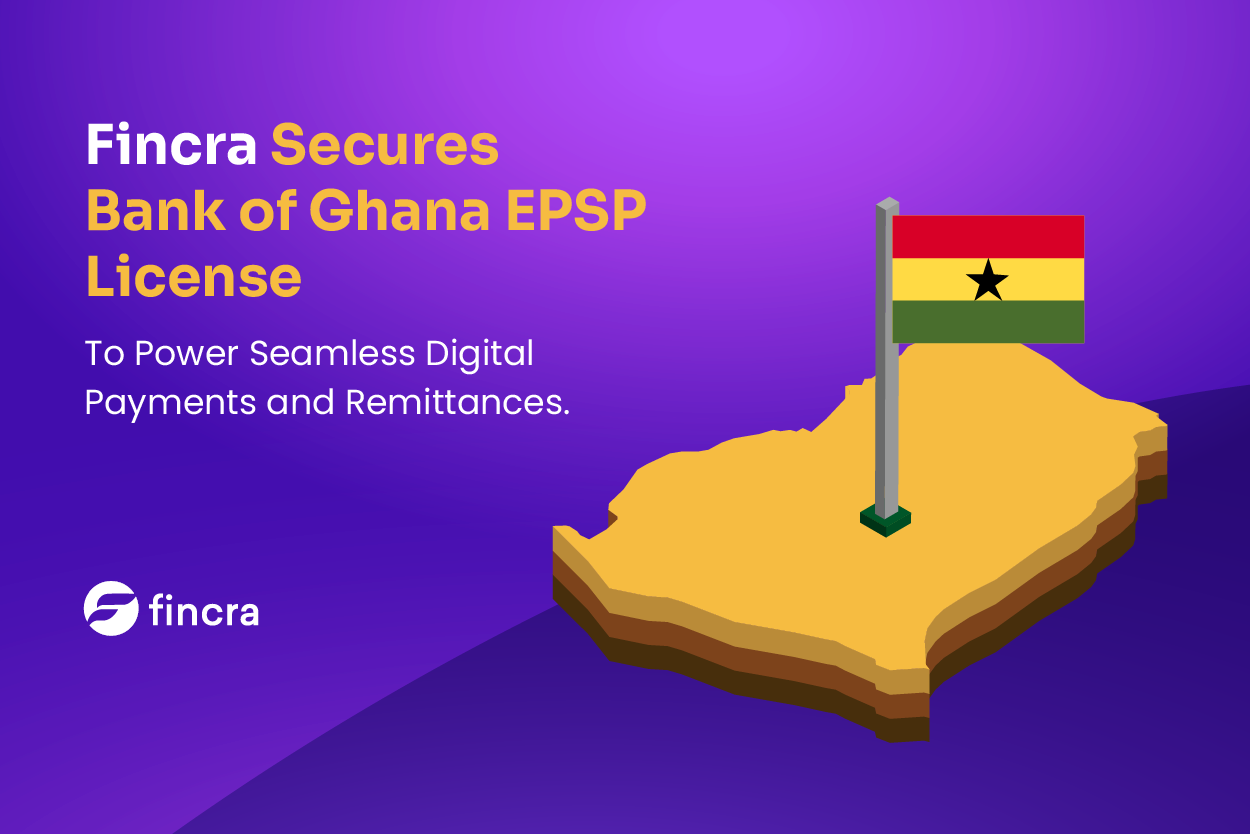
Fincra has officially secured its Enhanced Payment Service Provider licence. This regulatory milestone authorizes Fincra to directly collect, process, and settle payments in Ghanaian Cedis, offering a highly streamlined financial pipeline for businesses operating within the region. Start here.
reports
Digital scams cost Kenyans more than other Africans, says report

In 2025, the average Kenyan lost about KES 296 ($2.29) to online scams, according to a report by TransUnion, a consumer credit reporting and fraud prevention company. The figure might not sound alarming at first, but it points to a broader reality: as more Kenyans move their lives online, fraudsters are finding new ways to follow.
Kenya recorded the highest median loss from digital fraud among African countries surveyed by TransUnion, with victims reporting losses of KES 108,132 ($835).
Between the lines: The biggest culprit was not fake websites or suspicious links. Nearly four in ten victims said they were scammed by third-party sellers operating on legitimate e-commerce platforms, showing how fraud is creeping into places consumers already trust.
The findings show the uncomfortable trade-off of digital growth. Kenya has become one of Africa’s most connected economies, with e-commerce penetration crossing 53%, meaning that more than half of the Kenyan population buy items online. Expanding mobile money uptake, online shopping, and digital payments have contributed to its strong growth.
Growth at what cost? But the same systems making transactions easier are also creating new opportunities for criminals. From account takeovers and identity theft to phishing and social engineering scams, fraudsters are becoming more sophisticated, targeting digital identities before targeting wallets, according to the report.
The lesson is becoming harder to ignore: The faster a digital economy grows, the more attractive it becomes to scammers. Kenya’s experience suggests that building digital infrastructure is only half the job; protecting users is just as important.
Naira Life 2026 is here!

The theme for this year’s Naira Life Conference by Zikoko is “All About Wealth.”
Join 2,000+ in Lagos on August 22 for a day of practical money conversations and workshops designed to move you from simply earning an income to building lasting wealth. Get 15% off early bird tickets.
policy
South Africa proposes new incentives to boost local EV manufacturing
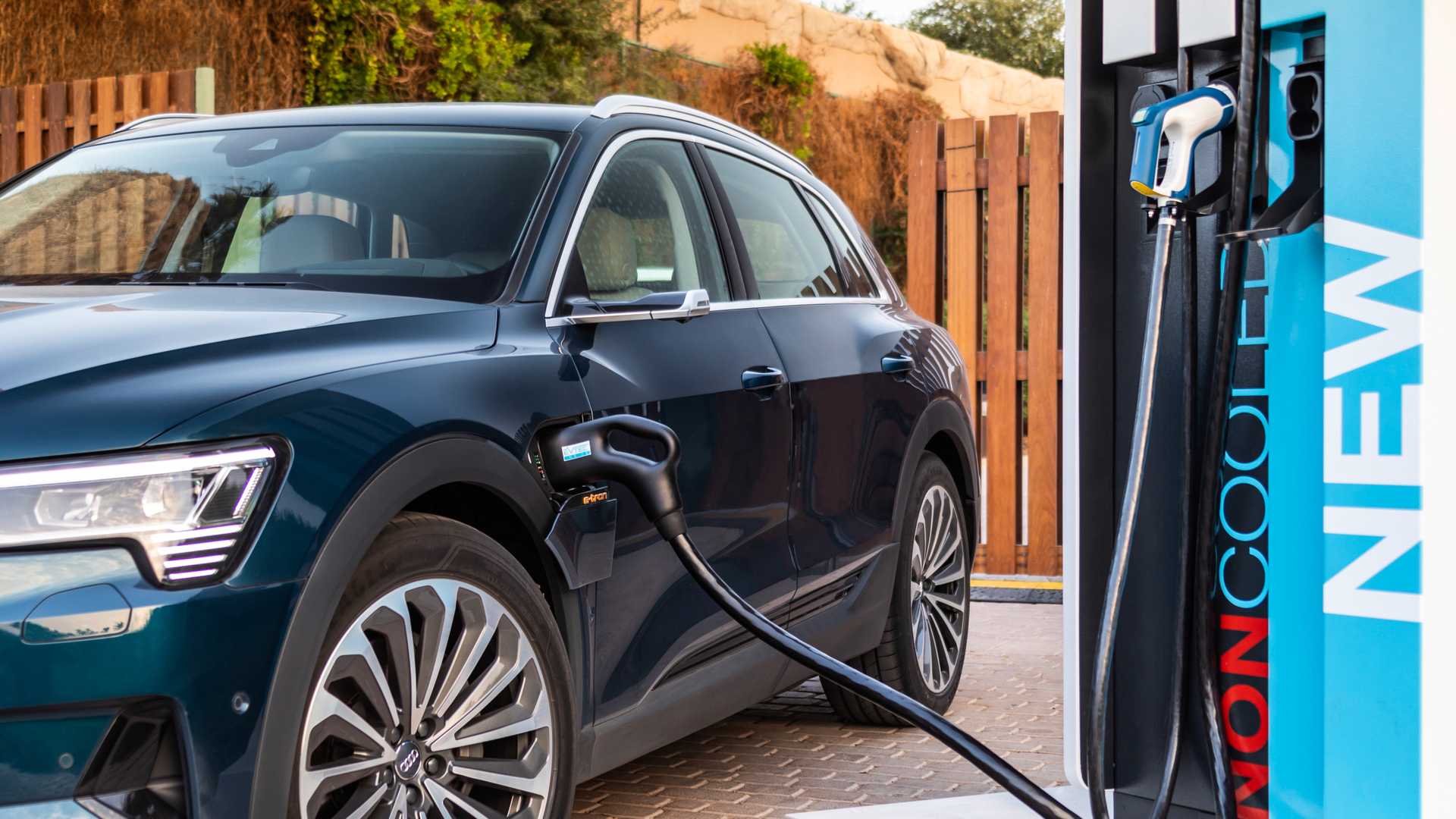
The International Trade Administration Commission of South Africa (ITAC), a government body responsible for trade policy, is proposing changes to its automotive incentive programme that would extend government support to minerals used in manufacturing batteries for electric vehicles (EVs).
The EV transition is forcing a rethink: In the first quarter of 2026, battery-electric vehicle (BEV) sales rose 96% year on year. The country’s automotive industry contributes roughly 5% of gross domestic product (GDP) and supports over 600,000 jobs directly and indirectly.
The current incentive programme already rewards manufacturers that use locally sourced materials, but not those critical in EV battery production. With these proposed rules, materials such as rare earths, iron, lithium, graphite, copper, and cobalt could qualify for incentives if sourced and processed within Southern Africa.
Why the batteries matter: South Africa is estimated to have the world’s fifth-largest mining sector in terms of gross domestic product value. Yet, much of that value creation happens elsewhere. Countries mine the minerals, ship them abroad, and then buy back the higher-value products later. The new proposal is an attempt to keep more of that value chain closer to home.
What could this change? If the incentives work, they could help attract battery manufacturers, reduce production costs for EV-related industries, and make South Africa more attractive to global automakers—a market that is currently not doing too badly attracting foreign interest.
Showcase Your Brand at Moonshot by TechCabal

Founders. Investors. Policymakers. Enterprise leaders. Moonshot 2026 brings together the people shaping Africa’s technology ecosystem across AI, commerce, climate, enterprise, and culture. Spotlight your brand today.
regulation
South Africa has formalised its e-hailing rules

Barbara Creecy, South Africa’s transport minister, has formalised regulations governing the country’s e-hailing industry.
Catch up: The rules, which originate from the National Land Transport Amendment Act introduced in September 2025, require safety features such as panic buttons, live trip tracking, driver verification, car branding, and other measures designed to protect passengers and drivers.
Compliance is another story: The regulations require e-hailing operators to register with the National Public Transport Regulator (NPTR), while drivers must obtain operating licences, pass background checks, and comply with vehicle requirements.
That sounds straightforward enough except that three months after the registration deadline expired, only ride-hailing companies Wanatu, Bolt, Maxim, and InDrive have registered. Several operators, including Uber, continue to operate while awaiting regulatory approvals.
What do these rules help? The new rules will make the industry more formal, improve passenger verification, create clearer standards, and potentially make investigations easier when incidents occur. For passengers, it could mean more transparency around who is driving them and where they are going.
But not everyone is convinced: Driver groups argue that panic buttons address symptoms rather than the underlying problem. The National e-Hailing Federation of South Africa has repeatedly argued that driver earnings and other security concerns remain unresolved.
Some drivers have also raised concerns about vehicle branding requirements, arguing that clearly identifying e-hailing vehicles could make them easier targets for criminals, and even going as far as signing petitions against it.
Yet, South Africa’s e-hailing industry now knows the rules. Whether they solve the problems drivers and passengers face in the gig economy is another question.
CRYPTO TRACKER
The World Wide Web3
Source:

|
Coin Name |
Current Value |
Day |
Month |
|---|---|---|---|
 Bitcoin Bitcoin |
$62,627 |
+ 2.27% |
– 22.90% |
| Ether |
$1,649 |
+ 1.57% |
– 28.64% |
| XRP |
$1.11 |
+ 0.18% |
– 23.81% |
| Solana |
$65.07 |
+ 1.46% |
– 32.61% |
* Data as of 06.45 AM WAT, June 11, 2026.
Events
 The Artificial Future Conference, organised by YPIT (Young People in Tech), takes place on June 13 at the Civic Centre in Lagos, Nigeria. The event will bring together AI founders, researchers, engineers, investors, and policymakers for conversations on building Africa’s AI ecosystem. Attendees will also get a front-row seat to a live Demo Day, where top teams from YPIT’s hackathon will pitch their AI solutions to investors and the public. Get your ticket to attend in person or virtually.

Written by: Yemi Kareem and Emmanuel Nwosu
Edited by: Emmanuel Nwosu and Ganiu Oloruntade
Want more of TechCabal?
Sign up for our insightful newsletters on the business and economy of tech in Africa.
- The Next Wave: futuristic analysis of the business of tech in Africa.
- Francophone Weekly by TechCabal: insider insights and analysis of Francophone’s tech ecosystem
P:S If you’re often missing TC Daily in your inbox, check your Promotions folder and move any edition of TC Daily from “Promotions” to your “Main” or “Primary” folder and TC Daily will always come to you.

Comments
Post a Comment