

Good morning. 
Reminder: You can still get 20% off on your Moonshot 2026 tickets before October 5. Hurry and snag tickets to the most important African tech event.

Read smart insights about Francophone Africa’s tech ecosystem—weekly.

Startups
Class of 2016: BuuPass

Before BuuPass, the Kenyan mobility startup, sold a single ticket, co-founder Sonia Kabra spent three months living in Ongata Rongai, a town south of Nairobi, Kenya. The experience was crucial to the startup’s survival and helped shape its first decade.
Kabra was testing Magic Bus, BuuPass’s first matatu-booking service, with university students in the area. It was an early example of a pattern that would define the company: major changes came from the founders getting closer to their customers.
Our Class of 2016 profile on BuuPass drops later today. It traces the company’s evolution from an idea for a solar-powered bus with Wi-Fi to software bus operators use to manage their businesses, processing more than $100 million in tickets annually.
Keep an eye on our website for the full story.


Every business owner needs to watch this.
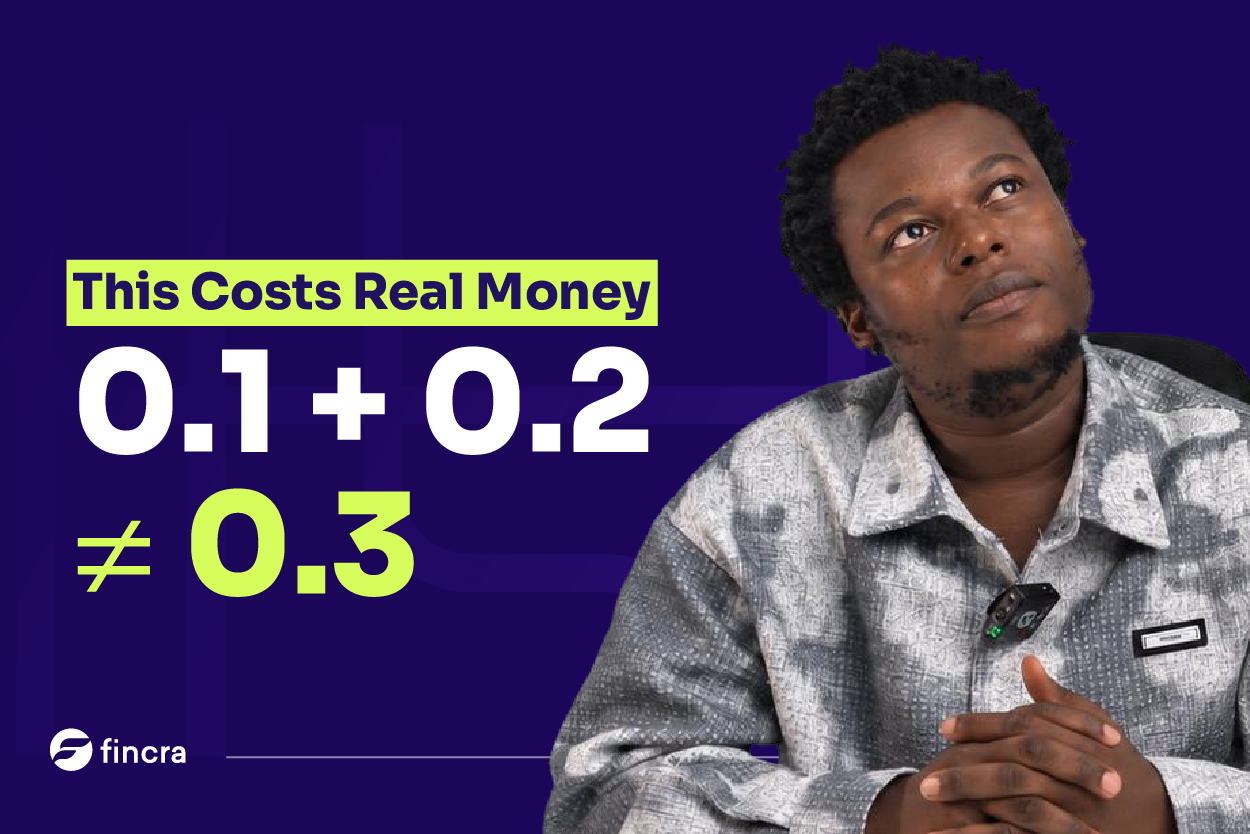
Ask a computer to add 0.1 and 0.2. It won’t give you 0.3. Now imagine that happening to your money, thousands of times a day. Fincra’s Engineering Lead breaks down why and how fintechs design around it. Watch the full breakdown.
Companies
Copia’s remaining assets aren’t enough to cover what it owes
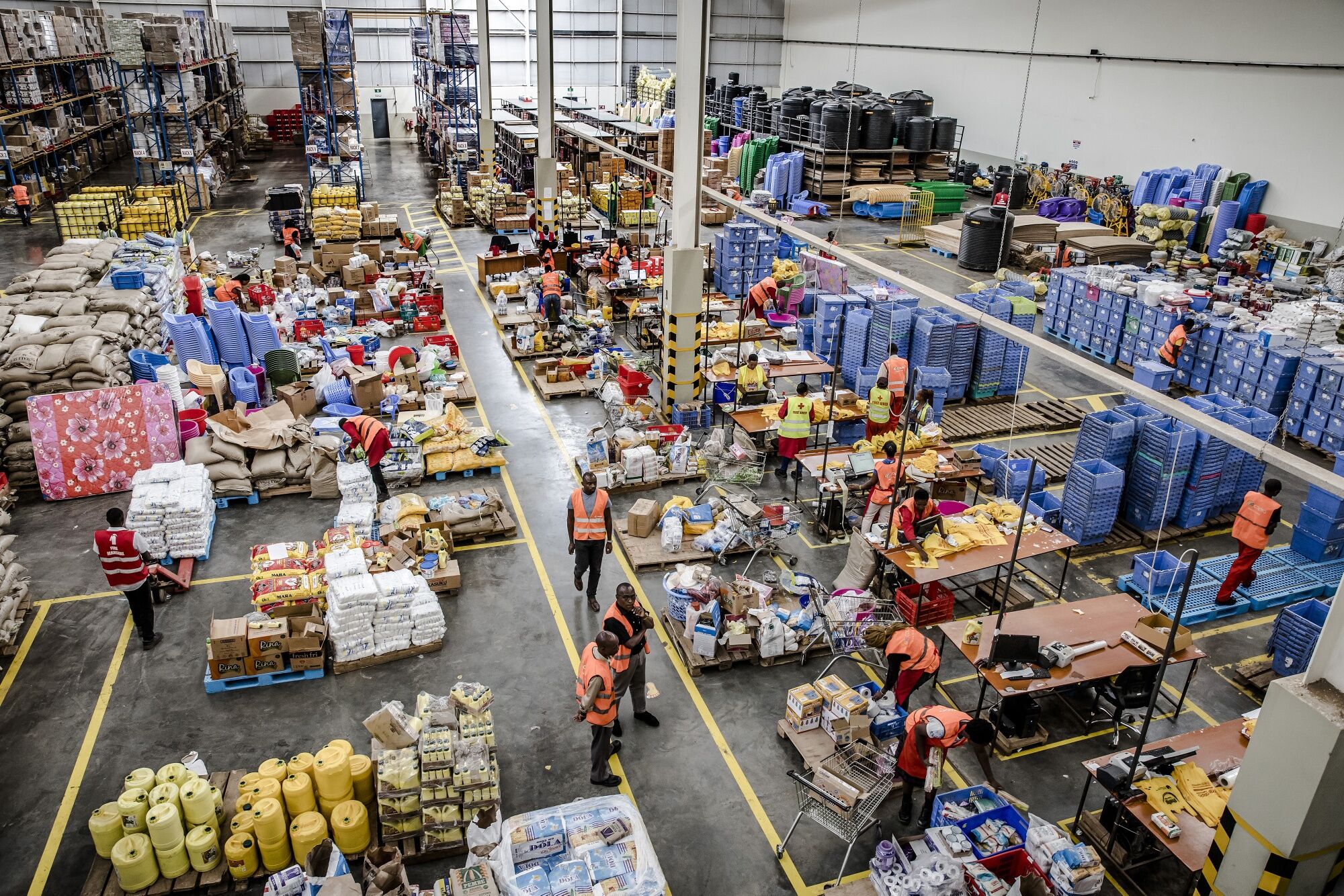
Copia Kenya, the e-commerce startup that spent more than a decade trying to bring online shopping to underserved customers, raised $123 million, built a network of tens of thousands of agents, and once reached a $250 million valuation.
In May 2024, cash-strapped and needing a business rescue, Copia entered administration, kicking off a resuscitation plan to recover its business’s valuable parts. Now, what is left of the company may not be enough to pay what it owes.
What happened? According to local publication Business Daily, Copia’s realisable assets were about KES 206.6 million ($1.6 million), after a court declared its liabilities. This is less cash than Copia raised from investors during its operating years, and risks leaving many of them hanging. With much bigger liabilities, investors have no foreseeable way to recoup their investments.
Explain like I’m new here: Copia launched in Kenya in 2013 with a different idea about getting people to shop online. Instead of expecting customers in rural and peri-urban areas to own smartphones, trust an online checkout, and pay digitally, Copia built a network of local agents that helped customers place orders and pay for household goods. At its peak, the company had 54,000 agents and served more than 750 million households in Kenya. It raised $123 million across eight funding rounds, expanded into Uganda, and reached a $250 million valuation.
How did $123 million end here? The same model that made Copia interesting also made it expensive. It had to buy and store physical goods, operate warehouses, move products around Kenya, and maintain a huge network of agents. It shut down its Uganda business in 2023 and later stopped operations in East Africa by June 2024.
What happens to investors’ money? Investors can’t simply demand their original investment back because Copia failed. Once the company is liquidated, whatever money is recovered from selling its remaining assets will be distributed according to the legal priority of claims. Equity investors sit behind creditors, so if Copia runs out of money before it gets to shareholders, they could walk away with nothing.
Don’t miss Moonshot 2026 for anything in the world!

True scale demands moving beyond surface-level integrations to robust execution. We’ve filtered the noise out of Moonshot 2026, optimising the conference strictly for high-calibre connections between startup founders, global financial operators, enterprise leaders and individuals rewiring Africa’s technical frameworks. Join us on October 28 & 29, 2026. Get your ticket.
Telecoms
MTN wants to try its hand at micro-dramas
Remember MTN One TV, the streaming platform MTN launched in June? The telecoms group is now looking for African producers to make the kind of short, cliffhanger-packed dramas that have become a big business in Asia.
Explain like I’m new here: Micro-dramas are stories told in vertical video clips, usually two to three minutes long (if you use Instagram often, you must have seen micro-drama content—often AI-generated). And honestly, done right, these videos are quite scroll-stopping.
Each episode gives viewers just enough plot to get hooked, then often cuts off at the crucial moment. Want to know what happens next? Keep watching, pay to unlock episodes, or sit through ads.
The format has become big business in China, where micro-drama revenue has outpaced the movie box office for two consecutive years. Bloomberg estimated the global market could reach R423 billion ($23 billion) by 2030. Globally, downloads of short-drama apps grew by more than 140% between the first quarter of 2024 and the first quarter of 2026, according to Sensor Tower.
While it’s a bit of a let-down that MTN is not taking on the likes of Netflix or even trying to replace Showmax with cinematic-level movie production, the nimbler approach makes sense. While Asia has ReelShort and DramaBox, Africa has no equivalent micro-drama content producer, unless you’re counting Instagram channels. Its selective viewing and free-to-watch hook could be value propositions that could lure African streamers. Netflix will keep having its cake—roll your eyes, but you never know… MTN could’ve been a threat.
Why MTN is interested: One TV is more than another attempt to get into streaming. MTN wants to combine local stories, live channels, and international programming with several payment options, including airtime and mobile money where available. It can offer free content, sell subscriptions, and charge viewers per title or episode.
Now it wants more African-made stories, including micro-dramas. In September, MTN invited established production companies to pitch projects, which selected producers will present at FAME Week Africa in Cape Town, South Africa.
Between the lines: MTN has a distribution advantage through its existing mobile customers, but that does not guarantee viewers will stick around or pay. Local stories could help make the platform feel relevant.
Zoom out: MTN is moving beyond selling connectivity to monetising what people do with it. The content business now has to prove it can pay its way.
companies
Vodacom South Africa wants to squeeze more capacity from its network
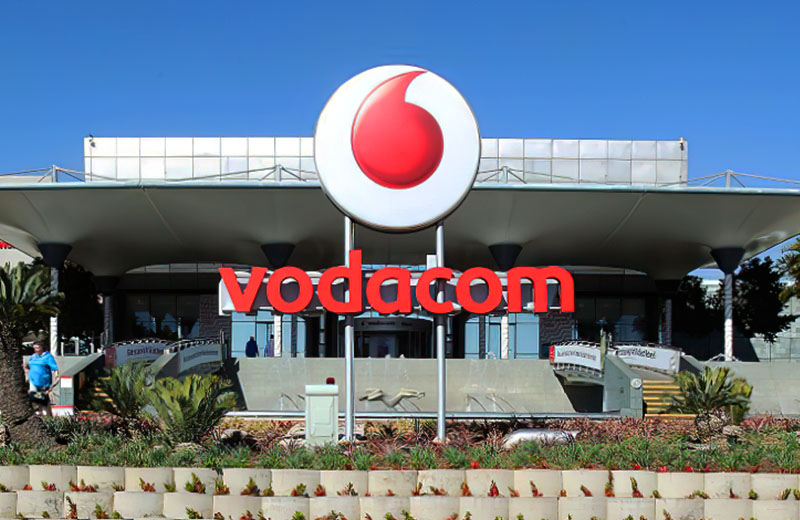
As people demand more data, mobile operators eventually need to expand their physical infrastructure. Vodacom, one of South Africa’s largest telecom operators, thinks it has found a way to make that space work harder.
What happened? On Tuesday, Vodacom South Africa said that it had successfully tested what it calls the world’s first integrated passive-active Massive Multiple-Input Multiple-Output (MIMO) system, developed with Nokia, the Finnish telecom equipment maker. MIMO lets a mobile network use multiple antennas to send and receive several data streams at once.
The test happened at a site in the Western Cape and combined several antenna capabilities into a more compact setup. Vodacom says it can now deploy the technology at existing sites with little room or where adding more conventional equipment would be difficult.
Explain like I’m new here: Massive MIMO takes that idea much further by using many antenna elements to serve multiple devices simultaneously. Think of it as turning one lane into several lanes without building an entirely new road. Vodacom tested the system across the 2600 megahertz (MHz) and 3500 MHz spectrum bands, which are already used for its 4G and 5G services.
Why does Vodacom need this? In 2025, mobile Internet usage penetration rate in South Africa was 51.49%. Adding capacity to a network can mean adding equipment to existing sites or finding new sites altogether. Vodacom says the new system will let it use its spectrum more efficiently and add capacity without requiring much physical expansion. It is now moving from testing to deployment at sites where the extra capacity is needed.
What does this mean for you? Vodacom said customers in high-demand areas should access stronger 4G and 5G networks, allowing them to browse the Internet faster and stream videos.
CRYPTO TRACKER
The World Wide Web3
Source:

|
Coin Name |
Current Value |
Day |
Month |
|---|---|---|---|
 Bitcoin Bitcoin |
$83,436 |
+ 0.50% |
+ 6.95% |
| Ether |
$2,676 |
+ 0.66% |
+ 9.91% |
| XRP |
$1.50 |
+ 1.37% |
+ 10.14% |
| Solana |
$119.41 |
+ 1.56% |
+ 16.39% |
* Data as of 06.36 AM WAT, September 30, 2026.
Opportunities
- The Citi Foundation is offering $500,000 grants to 50 organisations that help low-income young people build AI and other job skills. The grants can support programmes that teach skills such as prompt engineering and digital content creation, help young people find jobs, provide access to devices and software, or add AI tools to existing employment programmes. Applications close on October 6, 2026, at 5 p.m. Lagos time. Apply here.

Written by: Emmanuel Nwosu and Yemi Kareem
Edited by: Emmanuel Nwosu & Ganiu Oloruntade
Want more of TechCabal?
Sign up for our insightful newsletters on the business and economy of tech in Africa.
- The Next Wave: futuristic analysis of the business of tech in Africa.
- Francophone Weekly by TechCabal: insider insights and analysis of Francophone’s tech ecosystem
P:S If you’re often missing TC Daily in your inbox, check your Promotions folder and move any edition of TC Daily from “Promotions” to your “Main” or “Primary” folder and TC Daily will always come to you.

Comments
Post a Comment